Practice Briefs are concise, approximately 40-page clinical resources focused on problems that practitioners encounter in contemporary mental health practice. Each brief addresses a specific clinical concern and translates relevant research, theory, and professional knowledge into material that can be readily applied in practice.
Designed for busy clinicians, the briefs emphasize assessment, clinical understanding, and practical approaches to intervention without the length of a traditional textbook or clinical manual. Complex issues are organized into focused discussions that highlight the considerations most relevant to clinical judgment and day-to-day work with clients.
Together, the Practice Briefs provide a growing library of professional resources addressing today’s clinical problems. They can be used for individual professional development, consultation, teaching, or as companions to continuing education courses, giving practitioners an efficient way to strengthen and update their clinical knowledge.
Alcohol addiction can gradually reorganize a couple’s relationship around drinking. Trust erodes as promises are broken, responsibilities shift, and the non-drinking partner may become increasingly watchful, resentful, or protective. Recovery involves more than stopping alcohol use; it requires rebuilding reliability, communication, intimacy, and a shared sense of safety.
This Practice Brief examines problematic gaming among adolescents, including risk factors, warning signs, family dynamics, and effects on social, academic, and emotional functioning. It provides practical guidance for assessment, intervention, and working with adolescents and their families when gaming becomes disruptive or difficult to control.
Caregiving can be deeply rewarding, but ongoing demands can lead to significant stress and burnout. This practical guide offers strategies for recognizing caregiver strain, promoting self-care, and supporting caregiver well-being and resilience.
nfidelity can profoundly disrupt trust, intimacy, and emotional security. Recovery requires more than simply deciding to stay together. This guide examines the challenges couples face after betrayal. It offers practical strategies for rebuilding trust, improving communication, and moving forward.
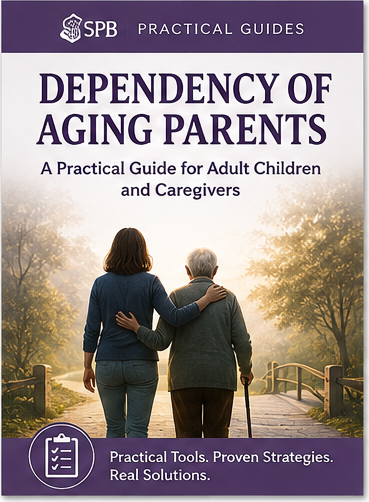
This Practice Brief examines the growing dependency of aging parents and the emotional, relational, and practical challenges it can create for older adults and their families. It provides clinicians with guidance for addressing changing family roles, caregiver stress, autonomy, boundaries, and decisions about care and support.
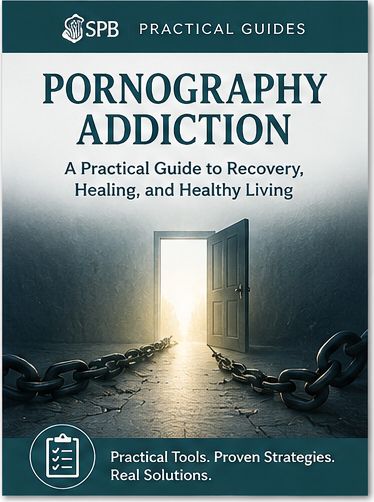
This Practice Brief examines pornography addiction as a persistent pattern of compulsive sexual behavior that can disrupt relationships, emotional well-being, and daily functioning. It identifies common clinical presentations, contributing factors, and patterns that maintain problematic pornography use. Practical assessment and intervention strategies are provided to help clinicians address compulsive use and support sustained behavioral change.